
Resveratrol, a natural polyphenol found in grapes, berries, and peanuts, has gained significant attention in recent years for its potential health benefits. From antioxidant and anti – inflammatory properties to possible heart – protecting and anti – aging effects, resveratrol has become a popular ingredient in health supplements. One of the convenient forms in which it is available is resveratrol gummies. As a resveratrol gummies supplier, a question I often encounter is whether these gummies are suitable for vegetarians. In this blog, we will delve into the details to find out.
Understanding Vegetarianism
Before we assess the suitability of resveratrol gummies for vegetarians, it’s important to understand what vegetarianism means. Vegetarians generally avoid consuming meat, poultry, and fish. However, there are different types of vegetarians. Lacto – ovo vegetarians consume dairy products and eggs, while lacto – vegetarians eat dairy but not eggs, and ovo – vegetarians eat eggs but not dairy. Vegans, on the other hand, exclude all animal – derived products, including dairy, eggs, honey, and gelatin.
Ingredients in Resveratrol Gummies
To determine if resveratrol gummies are suitable for vegetarians, we need to look at their ingredients. The primary active ingredient, resveratrol, is derived from plant sources such as grapeskins, Japanese knotweed, and berries. So, from the perspective of the main health – promoting component, resveratrol is completely vegetarian – friendly.
However, the other ingredients in the gummies can present challenges. One of the most common ingredients in gummies is gelatin. Gelatin is a protein obtained by boiling animal skin, tendons, ligaments, or bones. It is used to give gummies their chewy texture. Clearly, if a resveratrol gummy contains gelatin, it is not suitable for vegetarians, especially vegans.
But not all resveratrol gummies use gelatin. Some manufacturers, including our company, offer alternatives. For example, pectin is a plant – based gelling agent derived from fruits like apples and citrus fruits. Gummies made with pectin are a great option for vegetarians and vegans as they do not contain any animal – derived ingredients.
Another aspect to consider is the sweeteners and flavorings used. Most of the time, common sweeteners like sugar, corn syrup, and natural fruit juices are used, which are vegetarian – friendly. However, some artificial flavorings and colorings may have a complex origin, and in rare cases, they could be derived from animal sources. It’s always important to check the label for detailed information.
Our High – Quality Vegetarian – Friendly Resveratrol Gummies
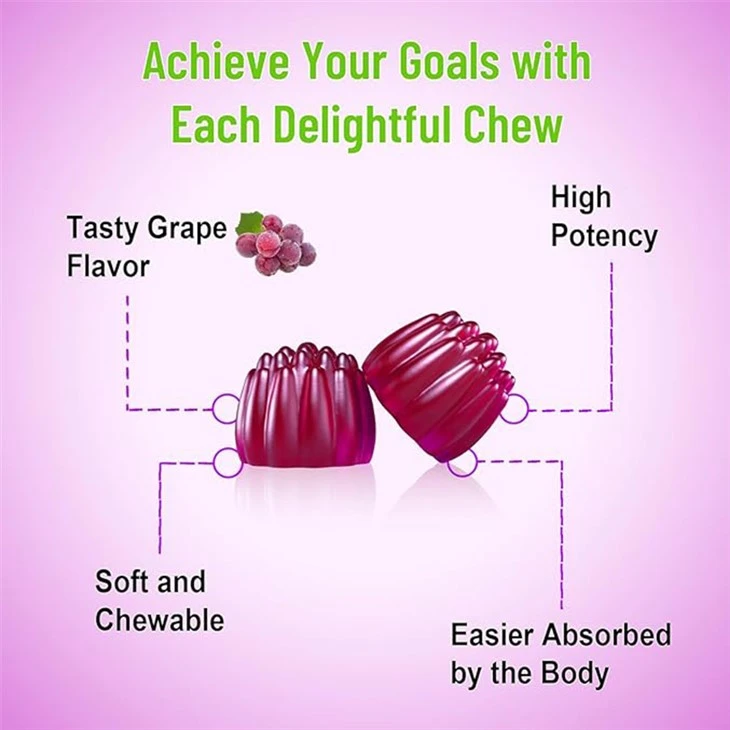
As a resveratrol gummies supplier, we understand the needs of vegetarians. That’s why we offer High Purity Resveratrol Gummies that are specifically formulated to be vegetarian – friendly. Our gummies use pectin as the gelling agent instead of gelatin. This ensures that our product meets the dietary requirements of vegetarians and vegans.
In addition to being vegetarian – friendly, our high – purity resveratrol gummies are also of top – notch quality. We source the resveratrol from premium plant sources, ensuring a high concentration of this beneficial compound. The sweeteners and flavorings we use are carefully selected to provide a delicious taste while maintaining the vegetarian integrity of the product.
Benefits of Resveratrol for Vegetarians
Resveratrol can offer several benefits to vegetarians. Since vegetarians rely on plant – based diets, resveratrol can further enhance the antioxidant protection in their bodies. Antioxidants help to neutralize free radicals, which are unstable molecules that can cause damage to cells and contribute to various diseases and the aging process.
Moreover, resveratrol has been associated with heart health. It may help to lower cholesterol levels, reduce inflammation in blood vessels, and improve blood flow. For vegetarians, who may have different dietary patterns compared to non – vegetarians, resveratrol can be an important addition to support cardiovascular health.
Resveratrol also has potential anti – inflammatory effects. Inflammation is linked to many chronic diseases such as arthritis, diabetes, and certain types of cancer. By incorporating resveratrol into their diet through our vegetarian – friendly gummies, vegetarians can potentially reduce their risk of developing these conditions.
How to Choose Resveratrol Gummies as a Vegetarian
When you’re a vegetarian looking for resveratrol gummies, here are some tips to keep in mind:
- Read the label carefully: Look for information about the gelling agent. If it says “gelatin”, avoid it. Instead, look for terms like “pectin” or “carrageenan” (a seaweed – derived gelling agent), which are plant – based.
- Check for other animal – derived ingredients: Besides gelatin, also check for other possible animal – derived components such as whey (a dairy product) or certain types of honey.
- Research the brand: Choose a reputable brand that has a clear commitment to providing vegetarian – friendly products. Brands that are transparent about their sourcing and manufacturing processes are more likely to offer reliable products.
Conclusion
In conclusion, resveratrol gummies can be suitable for vegetarians, but it depends on the ingredients used. As a resveratrol gummies supplier, we are dedicated to providing high – quality, vegetarian – friendly options like our High Purity Resveratrol Gummies. These gummies not only offer the health benefits of resveratrol but also meet the dietary requirements of vegetarians and vegans.

If you are interested in incorporating resveratrol into your diet and are a vegetarian, we invite you to contact us for more information and to discuss potential procurement. We are more than happy to answer any questions you may have and work with you to meet your needs.
References
- “Resveratrol: Chemistry, Natural Sources, Metabolism, and Bioavailability” by M. Baur and D. Sinclair.
- “The Role of Resveratrol in Human Health and Longevity” in the Journal of Nutritional Biochemistry.
- “Vegetarian Diets: Health Benefits and Considerations” from the American Dietetic Association.