
As a seasoned supplier of mass grainers, I’ve witnessed firsthand the growing demand for these powerful nutritional supplements in the fitness and bodybuilding communities. Mass grainers are designed to provide a concentrated source of calories, protein, carbohydrates, and other essential nutrients to help individuals achieve their muscle-building and weight-gain goals. But have you ever wondered about the cutting mechanism of a mass grainer? In this blog post, we’ll delve into the science behind how mass grainers work and how they can support your fitness journey.
Understanding the Basics of Mass Grainers
Before we explore the cutting mechanism of a mass grainer, let’s first understand what these supplements are and how they fit into a fitness regimen. Mass grainers are high-calorie shakes or powders that are typically consumed after workouts or as a meal replacement. They are formulated to provide a balanced combination of macronutrients, including protein, carbohydrates, and fats, along with vitamins, minerals, and other beneficial ingredients.
The primary goal of a mass grainer is to help individuals consume more calories than they burn, which is essential for muscle growth and weight gain. By providing a convenient and easily digestible source of nutrients, mass grainers can help individuals meet their daily calorie and protein requirements, even when they have a busy schedule or a poor appetite.
The Cutting Mechanism of a Mass Grainer
Now that we have a basic understanding of mass grainers, let’s explore the cutting mechanism of these supplements. The cutting mechanism of a mass grainer refers to the process by which the body breaks down and utilizes the nutrients in the supplement to support muscle growth and weight gain.
Protein Digestion and Absorption
Protein is one of the most important nutrients in a mass grainer, as it is essential for muscle repair and growth. When you consume a mass grainer, the protein in the supplement is broken down into amino acids by enzymes in the stomach and small intestine. These amino acids are then absorbed into the bloodstream and transported to the muscles, where they are used to repair and build new muscle tissue.
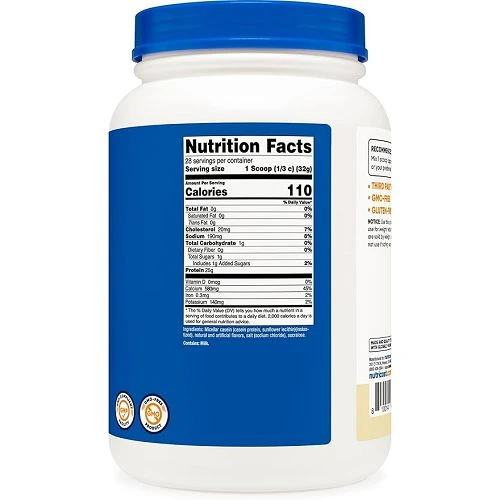
The rate at which protein is digested and absorbed can vary depending on the type of protein in the mass grainer. For example, whey protein is a fast-digesting protein that is quickly absorbed into the bloodstream, making it an ideal choice for post-workout recovery. Casein protein, on the other hand, is a slow-digesting protein that is released into the bloodstream over a longer period of time, providing a sustained source of amino acids to the muscles.
If you’re interested in learning more about the best casein protein powder, check out Best Casein Protein Powder.
Carbohydrate Digestion and Absorption
Carbohydrates are another important nutrient in a mass grainer, as they provide the body with energy to fuel workouts and support muscle growth. When you consume a mass grainer, the carbohydrates in the supplement are broken down into glucose by enzymes in the stomach and small intestine. This glucose is then absorbed into the bloodstream and transported to the muscles, where it is used to fuel workouts and replenish glycogen stores.
The rate at which carbohydrates are digested and absorbed can vary depending on the type of carbohydrate in the mass grainer. For example, simple carbohydrates, such as glucose and fructose, are quickly digested and absorbed into the bloodstream, providing a rapid source of energy. Complex carbohydrates, such as starches and fibers, are digested more slowly, providing a sustained source of energy over a longer period of time.
If you’re interested in learning more about the best chocolate protein powder, check out The Best Chocolate Protein Powder.
Fat Digestion and Absorption
Fats are an important nutrient in a mass grainer, as they provide the body with energy and help to support hormone production. When you consume a mass grainer, the fats in the supplement are broken down into fatty acids and glycerol by enzymes in the small intestine. These fatty acids and glycerol are then absorbed into the bloodstream and transported to the cells, where they are used for energy or stored as body fat.
The rate at which fats are digested and absorbed can vary depending on the type of fat in the mass grainer. For example, saturated fats are digested and absorbed more slowly than unsaturated fats, which can help to provide a sustained source of energy over a longer period of time.
The Role of Other Ingredients in a Mass Grainer
In addition to protein, carbohydrates, and fats, mass grainers often contain other ingredients that can help to support muscle growth and weight gain. These ingredients may include vitamins, minerals, amino acids, and other supplements.
Vitamins and Minerals
Vitamins and minerals are essential nutrients that play a role in many bodily functions, including muscle growth and repair. Mass grainers often contain a variety of vitamins and minerals, such as vitamin C, vitamin D, calcium, and magnesium, which can help to support overall health and well-being.
Amino Acids
Amino acids are the building blocks of protein, and they play a crucial role in muscle growth and repair. Mass grainers often contain a variety of amino acids, such as leucine, isoleucine, and valine, which are known as branched-chain amino acids (BCAAs). BCAAs can help to reduce muscle soreness and fatigue, improve muscle recovery, and support muscle growth.
Other Supplements
Mass grainers may also contain other supplements, such as creatine, beta-alanine, and caffeine, which can help to enhance performance and support muscle growth. Creatine is a popular supplement that can help to increase strength and power, while beta-alanine can help to improve endurance and reduce fatigue. Caffeine is a stimulant that can help to increase energy and focus during workouts.
If you’re interested in learning more about a high-quality mass grainer, check out Serious Gainz Mass Gainer.
How to Choose the Right Mass Grainer
With so many mass grainers on the market, it can be difficult to choose the right one for your needs. Here are some factors to consider when choosing a mass grainer:
Calorie Content
The calorie content of a mass grainer is one of the most important factors to consider. You should choose a mass grainer that provides enough calories to help you meet your daily calorie requirements, but not so many calories that you gain too much weight.
Protein Content
The protein content of a mass grainer is also important. You should choose a mass grainer that provides at least 20-30 grams of protein per serving, as this is the amount of protein that is needed to support muscle growth and repair.
Carbohydrate Content
The carbohydrate content of a mass grainer can also vary. You should choose a mass grainer that provides a balanced combination of simple and complex carbohydrates, as this will help to provide a sustained source of energy over a longer period of time.
Fat Content
The fat content of a mass grainer is another important factor to consider. You should choose a mass grainer that provides a balanced combination of saturated and unsaturated fats, as this will help to support overall health and well-being.
Ingredient Quality
The quality of the ingredients in a mass grainer is also important. You should choose a mass grainer that is made with high-quality ingredients, such as whey protein, casein protein, and complex carbohydrates. Avoid mass grainers that contain artificial flavors, colors, and sweeteners, as these ingredients can be harmful to your health.
Contact Us for Procurement
If you’re interested in purchasing our high-quality mass grainers for your fitness store, gym, or online business, we’d love to hear from you. Our mass grainers are formulated with the highest quality ingredients and are designed to help your customers achieve their muscle-building and weight-gain goals.
Whether you’re looking for a large order or a sample to test our products, we’re here to help. Please reach out to us to start a procurement discussion. We’re committed to providing excellent customer service and ensuring that you have a positive experience working with us.
References
- Campbell, B., Kreider, R. B., Ziegenfuss, T., La Bounty, P., Roberts, M., Burke, D., … & Lopez, H. L. (2007). International Society of Sports Nutrition position stand: protein and exercise. Journal of the International Society of Sports Nutrition, 4(1), 8.
- Kerksick, C. M., Wilborn, C. D., Roberts, M. D., Smith-Ryan, A. E., Kleiner, S. M., Jäger, R., … & Earnest, C. P. (2018). ISSN exercise & sports nutrition review update: research & recommendations. Journal of the International Society of Sports Nutrition, 15(1), 38.
- Phillips, S. M. (2012). The role of protein in weight loss and maintenance. American Journal of Clinical Nutrition, 95(2), 117-121.