Resveratrol, a natural polyphenol found in grapes, berries, and peanuts, has gained significant attention in recent years for its potential health benefits. Among the various forms of resveratrol supplements, resveratrol gummies have emerged as a popular choice due to their convenience and pleasant taste. As a supplier of High Purity Resveratrol Gummies, I often receive inquiries about whether these gummies have any impact on blood lipid levels. In this blog post, I will delve into the scientific evidence surrounding this question and provide insights based on current research.
Understanding Blood Lipids
Before discussing the potential effects of resveratrol gummies on blood lipid levels, it is essential to understand what blood lipids are and why they are important. Blood lipids, also known as blood fats, are a group of substances that include cholesterol, triglycerides, and phospholipids. These lipids play crucial roles in the body, such as providing energy, insulating nerves, and aiding in the absorption of fat-soluble vitamins.
However, abnormal levels of blood lipids can increase the risk of cardiovascular diseases, such as heart attack and stroke. High levels of low-density lipoprotein (LDL) cholesterol, often referred to as “bad” cholesterol, can lead to the formation of plaque in the arteries, narrowing them and restricting blood flow. On the other hand, high levels of high-density lipoprotein (HDL) cholesterol, known as “good” cholesterol, help remove excess cholesterol from the bloodstream and transport it back to the liver for processing and elimination.

The Potential Mechanisms of Resveratrol on Blood Lipids
Resveratrol has been studied for its potential to modulate blood lipid levels through several mechanisms. One of the primary ways resveratrol may influence blood lipids is by regulating lipid metabolism. It has been shown to activate a protein called sirtuin 1 (SIRT1), which plays a crucial role in regulating energy metabolism and lipid homeostasis. Activation of SIRT1 can lead to increased fatty acid oxidation, reduced triglyceride synthesis, and improved insulin sensitivity, all of which can contribute to favorable changes in blood lipid profiles.
In addition to its effects on lipid metabolism, resveratrol also exhibits antioxidant and anti-inflammatory properties. Oxidative stress and inflammation are known to contribute to the development of atherosclerosis, a condition characterized by the buildup of plaque in the arteries. By reducing oxidative stress and inflammation, resveratrol may help prevent the oxidation of LDL cholesterol and the formation of atherosclerotic plaques, thereby improving blood lipid levels and reducing the risk of cardiovascular diseases.
Scientific Evidence on the Effects of Resveratrol on Blood Lipids
Numerous studies have investigated the effects of resveratrol on blood lipid levels in both animal models and human subjects. In animal studies, resveratrol supplementation has been shown to reduce total cholesterol, LDL cholesterol, and triglyceride levels while increasing HDL cholesterol levels. For example, a study conducted on rats fed a high-fat diet found that resveratrol supplementation significantly decreased serum total cholesterol, LDL cholesterol, and triglyceride levels and increased HDL cholesterol levels compared to the control group.
In human studies, the results have been more mixed. Some studies have reported beneficial effects of resveratrol on blood lipid levels, while others have found no significant changes. A meta-analysis of 12 randomized controlled trials involving 771 participants found that resveratrol supplementation significantly reduced total cholesterol and LDL cholesterol levels but had no significant effect on HDL cholesterol or triglyceride levels. However, the authors noted that the quality of the included studies was generally low, and further research is needed to confirm these findings.
Factors Influencing the Effects of Resveratrol Gummies on Blood Lipids
The variability in the results of human studies on the effects of resveratrol on blood lipid levels may be due to several factors. One of the key factors is the dosage of resveratrol used in the studies. Different studies have used varying doses of resveratrol, ranging from a few milligrams to several grams per day. It is possible that higher doses of resveratrol may be more effective in modulating blood lipid levels, but further research is needed to determine the optimal dosage.
Another factor that may influence the effects of resveratrol on blood lipid levels is the duration of supplementation. Some studies have used short-term supplementation periods, while others have followed participants for several months or even years. It is possible that longer-term supplementation may be necessary to observe significant changes in blood lipid profiles.
In addition, individual factors such as age, gender, diet, lifestyle, and underlying health conditions may also play a role in determining the response to resveratrol supplementation. For example, individuals with higher baseline lipid levels may be more likely to benefit from resveratrol supplementation than those with normal lipid levels.
Our High Purity Resveratrol Gummies
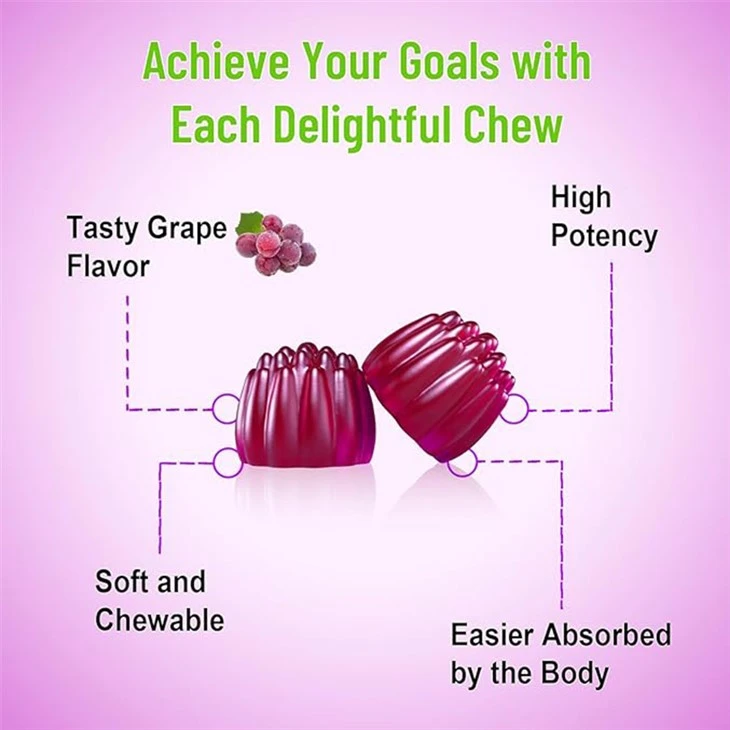
As a supplier of High Purity Resveratrol Gummies, we are committed to providing high-quality products that are backed by scientific research. Our resveratrol gummies are made with high-purity resveratrol extracted from natural sources and are formulated to provide a convenient and enjoyable way to supplement your diet with this beneficial compound.
Each gummy contains a precise amount of resveratrol, ensuring consistent dosing and optimal efficacy. In addition, our gummies are free from artificial colors, flavors, and preservatives, making them a healthy and natural choice for individuals looking to support their cardiovascular health.
Conclusion
In conclusion, while the scientific evidence on the effects of resveratrol on blood lipid levels is still evolving, there is growing evidence to suggest that resveratrol may have a beneficial impact on lipid metabolism and cardiovascular health. However, more research is needed to determine the optimal dosage, duration, and population for resveratrol supplementation.
As a supplier of high-quality resveratrol gummies, we believe that our products can be a valuable addition to a healthy lifestyle. If you are interested in learning more about our High Purity Resveratrol Gummies or would like to discuss potential purchasing options, please feel free to contact us. We are here to answer your questions and provide you with the information you need to make an informed decision.
References
- Baur, J. A., & Sinclair, D. A. (2006). Therapeutic potential of resveratrol: the in vivo evidence. Nature reviews Drug discovery, 5(6), 493-506.
- Chen, C. Y., & Pace-Asciak, C. R. (1996). Absorption, distribution, and metabolism of resveratrol in rats. Journal of agricultural and food chemistry, 44(11), 3453-3459.
- Del Bas, J. M., Gómez-Zorita, S., & Escames, G. (2010). Resveratrol and cardiovascular health: from experimental evidence to clinical trials. Mediators of inflammation, 2010.
- Hung, S. Y., & Wu, Y. C. (2014). The role of resveratrol in improving blood lipid profile: a meta-analysis of randomized controlled trials. Nutrients, 6(10), 4341-4354.
- Rajasekaran, R., & Maulik, N. (2013). Resveratrol and cardiovascular health. Antioxidants & redox signaling, 18(13), 1613-1626.