
Protein is an essential macronutrient that plays a crucial role in various bodily functions, especially in muscle growth and repair. As a protein powder supplier, I often encounter the question: Does protein powder help with muscle gain? In this blog post, we will explore this topic from a scientific perspective, examining the evidence and the role that protein powder can play in a muscle – building regimen.
The Science of Muscle Growth
Before delving into the role of protein powder, it’s important to understand how muscles grow. Muscle growth, also known as muscle hypertrophy, occurs when the body repairs and rebuilds damaged muscle fibers after intense exercise, particularly resistance training such as weightlifting. When you lift weights, the muscle fibers experience microscopic tears. The body then uses amino acids, the building blocks of protein, to repair and strengthen these damaged fibers, leading to an increase in muscle mass over time.
Protein is vital for this process because it provides the necessary amino acids. There are 20 different amino acids, nine of which are considered essential, meaning the body cannot produce them and must obtain them from the diet. Leucine, in particular, is a key amino acid that stimulates muscle protein synthesis (MPS), the process by which the body builds new muscle proteins.
Dietary Protein Requirements for Muscle Gain
The amount of protein a person needs to support muscle gain depends on several factors, including body weight, activity level, and training intensity. The Recommended Dietary Allowance (RDA) for protein is 0.8 grams per kilogram of body weight per day for the average sedentary adult. However, for individuals engaged in regular resistance training, the requirements are significantly higher.
Many experts recommend consuming between 1.2 to 2.0 grams of protein per kilogram of body weight per day for those looking to build muscle. For example, a 70 – kilogram (154 – pound) person aiming for muscle gain might need between 84 to 140 grams of protein daily. Meeting these protein requirements through whole foods alone can be challenging, especially for athletes, bodybuilders, or those with busy lifestyles.
The Role of Protein Powder
Protein powder is a convenient and efficient way to supplement your diet and meet your protein needs. It comes in various forms, such as whey, casein, soy, and plant – based proteins like pea, rice, and hemp. Each type has its own unique characteristics and benefits.
Whey Protein
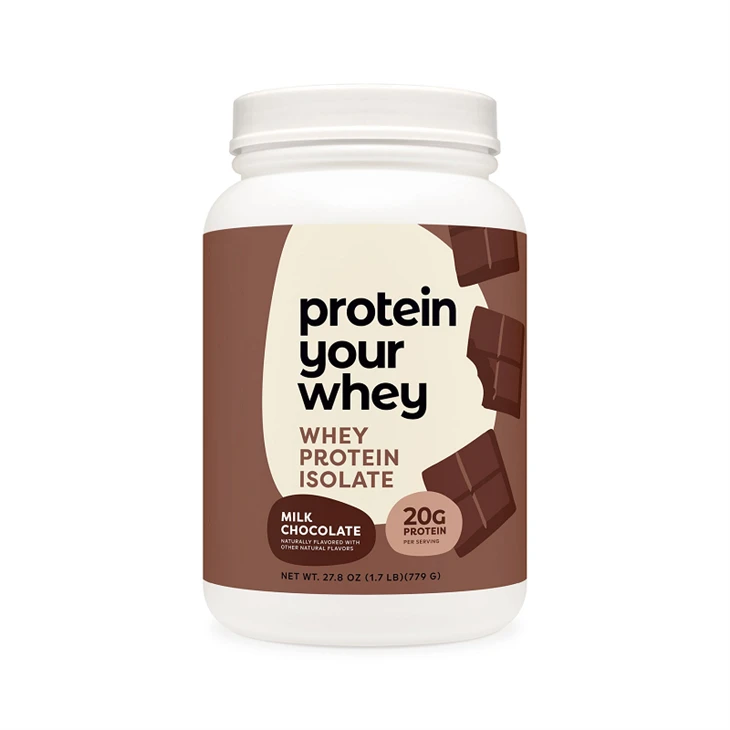
Whey protein is one of the most popular types of protein powder. It is derived from milk and is rich in essential amino acids, particularly leucine. Whey protein is quickly digested and absorbed by the body, making it an excellent choice for post – workout recovery. It can rapidly deliver amino acids to the muscles, stimulating MPS. Protein Your Whey Powders are a high – quality option for those seeking the benefits of whey protein.
Casein Protein
Casein is another milk – derived protein. Unlike whey, casein is digested and absorbed slowly, providing a sustained release of amino acids over a longer period. This makes it ideal for consumption before bed, as it can help prevent muscle breakdown during the overnight fast.
Plant – Based Proteins
Plant – based protein powders have gained popularity in recent years, especially among vegetarians, vegans, and those with dairy intolerances. They are typically made from sources like peas, rice, and hemp. While plant – based proteins may be lower in certain essential amino acids compared to whey or casein, combining different plant sources can provide a complete amino acid profile.
Scientific Evidence on Protein Powder and Muscle Gain
Numerous scientific studies have investigated the effects of protein powder on muscle gain. A meta – analysis of 49 randomized controlled trials found that protein supplementation, particularly when combined with resistance training, significantly increased muscle mass and strength compared to a placebo.
One study followed a group of young men who performed resistance training for 12 weeks. Half of the participants received whey protein supplements, while the other half received a placebo. The group taking whey protein showed greater increases in muscle mass and strength compared to the placebo group.
Another study examined the effects of plant – based protein supplements on muscle growth in vegetarians. The results showed that plant – based protein powders were effective in promoting muscle protein synthesis and increasing muscle mass, similar to animal – based proteins.
Benefits of Using Protein Powder for Muscle Gain
Convenience
As mentioned earlier, protein powder is extremely convenient. It can be easily mixed with water, milk, or a smoothie and consumed on the go. This is especially beneficial for busy individuals who may not have the time to prepare a high – protein meal.
Customizability
Protein powder allows you to customize your protein intake based on your specific needs. You can adjust the serving size and choose different types of protein depending on the time of day or your dietary preferences.

Cost – Effective
In some cases, protein powder can be a cost – effective way to meet your protein requirements. When compared to buying large quantities of high – quality lean meats, fish, or dairy products, protein powder can provide a significant amount of protein at a lower cost.
Potential Drawbacks and Considerations
While protein powder can be a valuable tool for muscle gain, it’s important to use it responsibly. Excessive protein intake can put strain on the kidneys and may lead to weight gain if not balanced with proper exercise and a healthy diet.
It’s also crucial to choose a high – quality protein powder. Some low – quality products may contain additives, fillers, or contaminants. Look for products that have been third – party tested for purity and quality.
Incorporating Protein Powder into Your Diet
To maximize the benefits of protein powder for muscle gain, it should be incorporated into a balanced diet and a consistent resistance training program. Here’s a simple guide on how to use protein powder effectively:
- Post – Workout: Consume a serving of whey protein powder within 30 minutes to an hour after your workout to kick – start the muscle recovery process.
- Between Meals: If you’re struggling to meet your protein requirements through whole foods, have a protein shake as a snack between meals.
- Before Bed: Consider having a serving of casein protein powder before bed to provide your muscles with a slow – release of amino acids throughout the night.
Conclusion
In conclusion, protein powder can be a valuable aid in muscle gain when used correctly. It provides a convenient and efficient way to meet your increased protein needs, especially for those engaged in regular resistance training. Scientific evidence clearly shows that protein supplementation, combined with proper exercise, can lead to significant improvements in muscle mass and strength.
If you’re interested in exploring the high – quality protein powders we offer as a supplier, we encourage you to reach out to us for a procurement discussion. We can provide you with detailed information about our products, pricing, and delivery options to help you achieve your muscle – building goals.
References
- Phillips, S. M. (2004). Protein requirements and supplementation in strength sports. Nutrition, 20(7 – 8), 689 – 695.
- Cermak, N. M., Res, P. T., de Groot, L. C., Saris, W. H., & van Loon, L. J. (2012). Protein supplementation augments the adaptive response of skeletal muscle to resistance – type exercise training: a meta – analysis. American Journal of Clinical Nutrition, 96(6), 1454 – 1464.
- Morton, R. W., Murphy, K. T., McKellar, S. R., Wyke, S. C., & Phillips, S. M. (2018). A systematic review, meta – analysis and meta – regression of the effect of protein supplementation on resistance training-induced gains in muscle mass and strength in healthy adults. British Journal of Sports Medicine, 52(6), 376 – 384.