In the dynamic landscape of health and wellness, energy powders have emerged as a popular choice for individuals seeking a convenient and effective way to boost their vitality. As a dedicated energy powder supplier, I understand the importance of catering to diverse consumer needs, including those of the Muslim community. This blog aims to delve into the question: Is energy powder Halal?
Understanding Halal
Halal, an Arabic term, translates to “permissible” in Islamic law. In the context of food and beverages, Halal refers to products that comply with Islamic dietary guidelines. These guidelines prohibit the consumption of certain substances, such as pork and its by – products, alcohol, and any ingredients derived from non – Halal sources. Ensuring that products are Halal is not only a matter of religious observance but also a mark of quality and trust for Muslim consumers.
The Composition of Energy Powders
Energy powders are formulated to provide a quick and sustained energy boost. They typically contain a blend of ingredients, including vitamins, minerals, herbs, and stimulants. To determine whether an energy powder is Halal, we need to examine each ingredient closely.
Vitamins and Minerals
Most vitamins and minerals used in energy powders are synthetic or derived from plant or mineral sources. These are generally considered Halal. For example, vitamin C can be sourced from citrus fruits, and calcium carbonate can be obtained from natural limestone. However, it’s essential to verify the source and manufacturing process to ensure there are no non – Halal contaminants.
Herbs
Herbs are a common ingredient in energy powders, providing various health benefits. Many herbs, such as ginseng, green tea extract, and ginger, are naturally Halal. They are plant – based and do not involve any prohibited substances in their cultivation or processing.
Stimulants
Stimulants like caffeine are often added to energy powders to enhance alertness and energy. Caffeine can be sourced from coffee beans, tea leaves, or synthetically produced. Natural sources of caffeine are Halal, but it’s crucial to ensure that the extraction and purification processes do not involve any non – Halal solvents or additives.
Potential Non – Halal Ingredients
While most ingredients in energy powders are Halal, there are some potential red flags to watch out for.
Gelatin
Gelatin is a common ingredient used as a thickener or stabilizer in some powders. It is typically derived from animal sources, such as pigskin or cattle hides. If the gelatin is sourced from non – Halal animals, the product is not Halal. However, there are Halal alternatives available, such as gelatin derived from fish or plant – based thickeners like agar – agar.
Flavorings and Colorings
Some flavorings and colorings may contain alcohol or be derived from non – Halal sources. For example, vanilla extract is often made with alcohol. When selecting flavorings and colorings for energy powders, it’s important to choose Halal – certified options.
Our Commitment as an Energy Powder Supplier
At our company, we take the Halal status of our energy powders very seriously. We are committed to providing high – quality products that meet the dietary requirements of all our customers, including those who follow Halal guidelines.
Ingredient Sourcing
We source our ingredients from trusted suppliers who adhere to strict quality and Halal standards. Before incorporating any ingredient into our energy powders, we conduct thorough research to ensure its Halal compliance. For example, when using gelatin, we only source it from Halal – certified suppliers who use fish or Halal – slaughtered cattle.
Manufacturing Process
Our manufacturing facilities follow strict hygiene and quality control measures. We ensure that there is no cross – contamination between Halal and non – Halal products during the production process. All equipment is thoroughly cleaned and sanitized between different batches to prevent any trace of non – Halal substances.
Certification
We are in the process of obtaining Halal certification for our energy powders. This certification will provide an additional layer of assurance to our Muslim customers that our products meet the highest Halal standards.
Our Halal – Friendly Energy Powders
We offer a range of energy powders that are designed to be Halal – friendly.
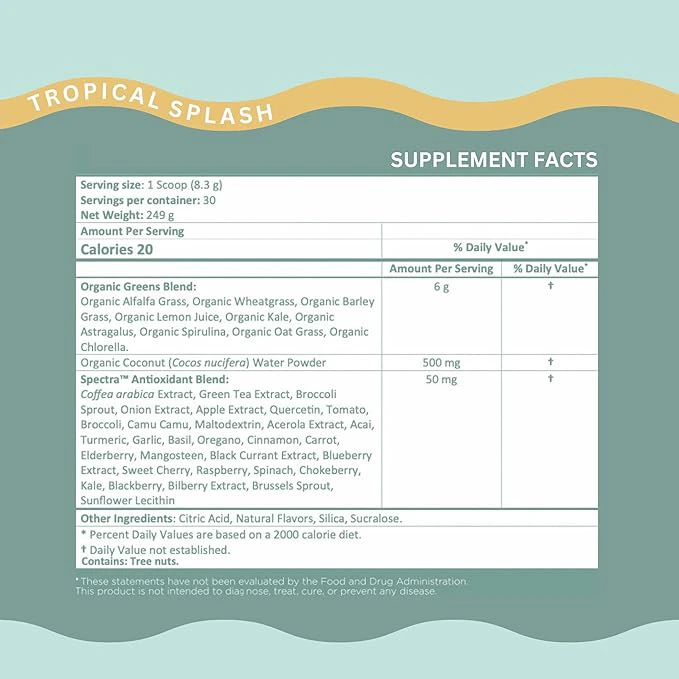
One of our popular products is the Super Green Drink Powder. This powder is packed with a blend of green vegetables, fruits, and herbs, providing a natural and healthy energy boost. All the ingredients are carefully selected to ensure Halal compliance, and it is free from any non – Halal additives.
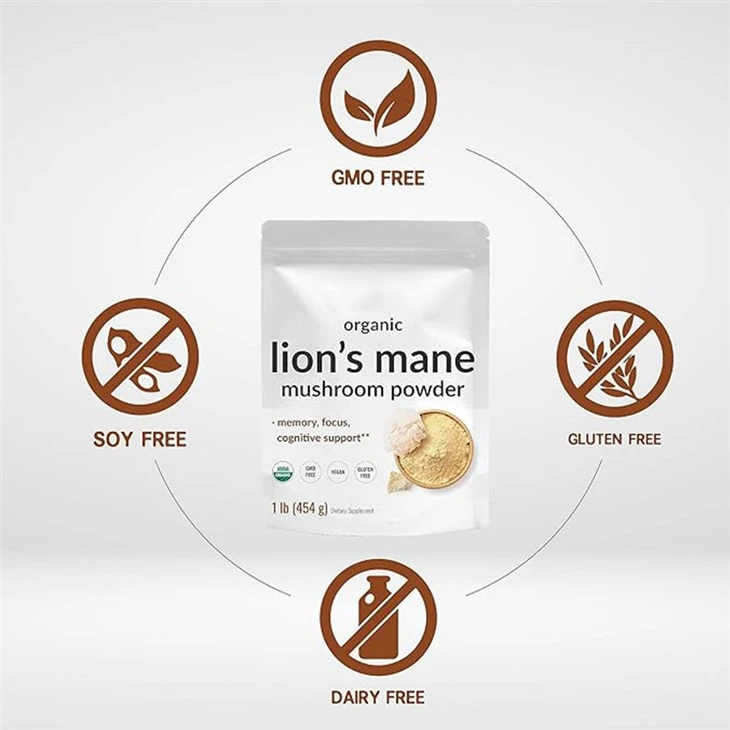
Another great option is the Best Hericium Digest Powder. Hericium erinaceus, also known as lion’s mane mushroom, is a powerful herb that has been shown to improve cognitive function and energy levels. Our powder is made from pure Hericium erinaceus extract, with no added non – Halal substances.
If you are interested in the ingredients of our energy powders, you can refer to the Ingredients in Multi Collagen Protein. This page provides detailed information about the components of our multi – collagen protein powder, which is also formulated to be Halal – friendly.
Conclusion
In conclusion, whether an energy powder is Halal depends on its ingredients and the manufacturing process. As an energy powder supplier, we are dedicated to providing Halal – compliant products to meet the needs of the Muslim community. Our commitment to ingredient sourcing, manufacturing quality, and potential Halal certification ensures that our energy powders are not only effective but also meet the highest religious and ethical standards.
If you are a retailer, distributor, or simply interested in purchasing our Halal – friendly energy powders, we invite you to contact us for a procurement discussion. We look forward to partnering with you to provide high – quality energy solutions for your customers.
References
- Islamic Dietary Laws: An Overview. Islamic Society of North America.
- Halal Food Certification: A Guide for Manufacturers. Halal Certification Services International.
- The Science of Energy Powders. Journal of Sports Nutrition and Exercise Metabolism.